Dental Implants: Are They Right for You?
How dental implants replace missing teeth, the alternatives and risks to weigh up, who is a good candidate, and how to look after them.
By the DentistDSS team · Published · Updated
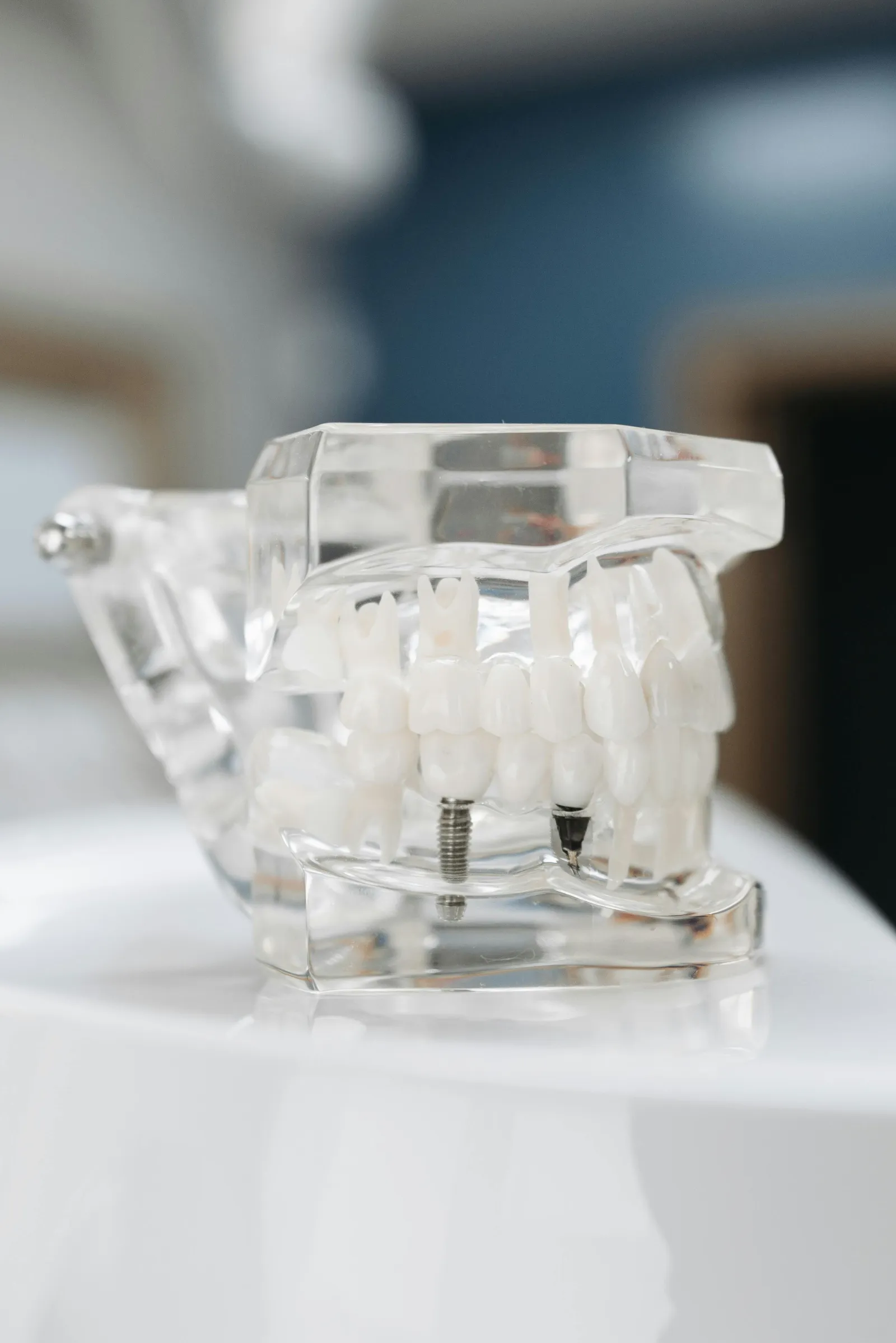
Dental implants are artificial tooth roots, usually made of titanium, that can support a crown, bridge or denture. They are one way to replace teeth lost through injury, decay or disease.
Implants can be long-lasting with appropriate care, but the implant or attached replacement teeth may need treatment or replacement. Stability, comfort, cost and maintenance depend on the design and your circumstances.
What treatment involves
The implant is placed in the jawbone during a surgical procedure. Once it has healed and joined to the bone, the replacement tooth or teeth are attached. You need healthy gums and enough bone to support an implant. Some people need gum treatment or a bone graft first, and treatment is commonly staged over several months. Smokers and people with some medical conditions may need additional assessment.
Other options and risks
Options may include a bridge, removable denture, or leaving the gap when appropriate. Implant surgery can cause infection, nerve injury, sinus problems or damage to nearby teeth. An implant may fail to join to bone, and later inflammation can damage its supporting tissues. Ask about your personal risks, total cost, treatment timetable and continuing maintenance before deciding.
Looking after implants
Implants need the same care as natural teeth: brush twice a day, clean between your teeth and around the implant every day, and keep up regular dental visits so problems around the implant are found early.
Sources
- Dental implant, healthdirect Australia
- Dental implants, Guy's and St Thomas' NHS Foundation Trust
- Delivering better oral health, chapter 5: periodontal diseases, UK Government