Wisdom Teeth: What You Should Know
When wisdom teeth become impacted or infected, why dentists may recommend removal, and how to recover and avoid dry socket.
By the DentistDSS team · Published · Updated
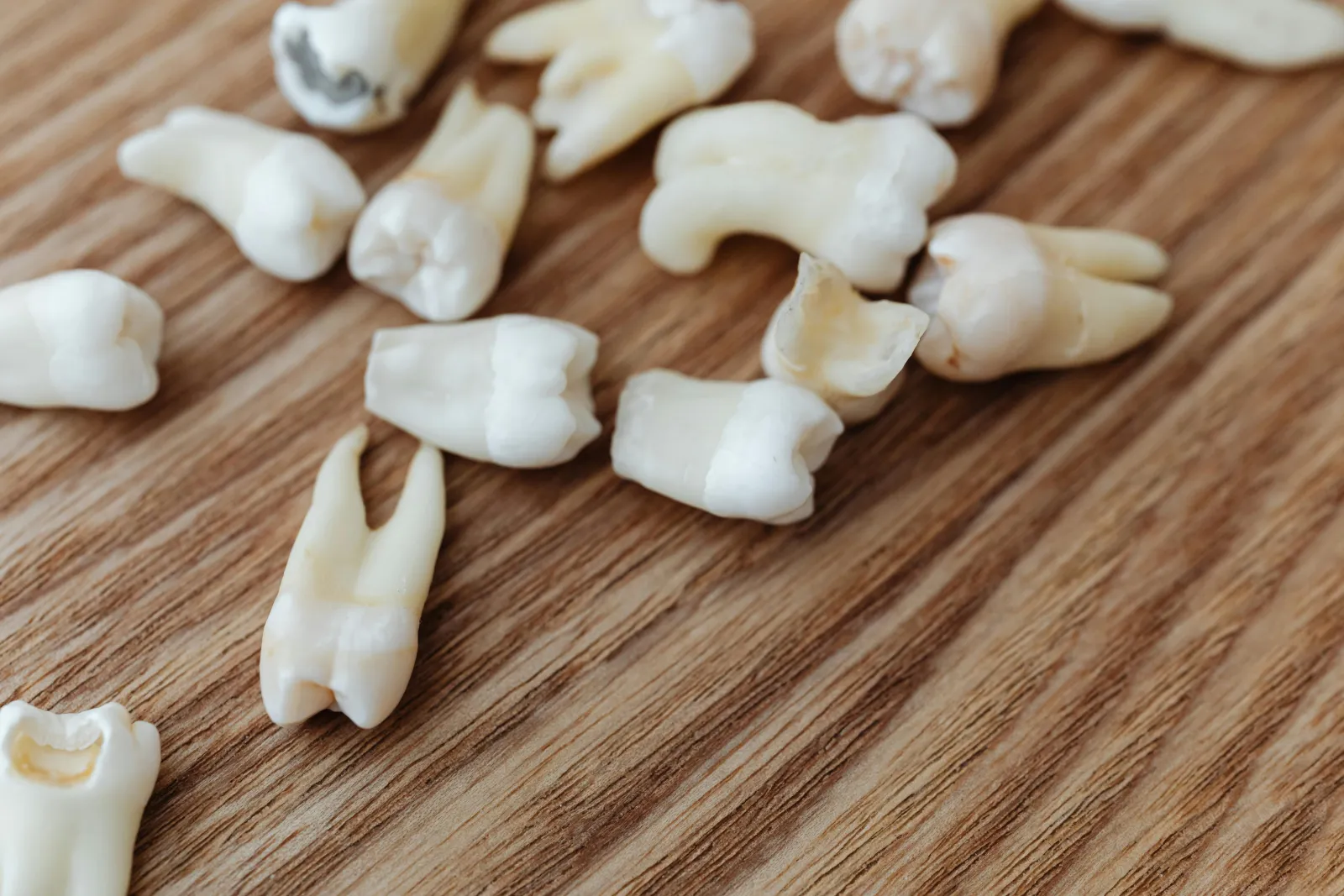
Wisdom teeth are the last set of molars, and usually come through in your late teens or early twenties. For many people they grow in without problems. For others, there isn't enough room: a wisdom tooth may come through at an angle, only partly, or not at all, which can lead to infection or decay.
Impacted wisdom teeth are trapped beneath the gum or in the jaw and can cause pain, swelling and jaw stiffness. They may also damage the tooth next to them.
Do they need to come out?
Not all wisdom teeth need to be removed. A dentist may recommend removal when a wisdom tooth is causing infection, decay or damage, or has a high risk of future problems. Other teeth can be monitored, often with X-rays. Ask why removal is recommended in your case, what monitoring would involve, and how the risks of surgery compare with keeping the tooth.
Recovery after removal
Follow your dentist's written aftercare instructions. Protect the healing blood clot, because losing it too early can cause a painful dry socket. Choose soft foods and avoid smoking. Some pain, swelling and jaw stiffness are common, but contact your dentist urgently for severe or worsening symptoms, fever, a bad taste with pain, or bleeding that will not stop. Your dentist should explain your individual surgical risks before treatment.
Sources
- Wisdom teeth, Australian Dental Association
- Wisdom tooth removal, NHS