Tooth Sensitivity: Causes and Relief Tips
Why teeth hurt with hot or cold food, from worn enamel and receding gums to decay or a cracked tooth, what helps, and when to see a dentist.
By the DentistDSS team · Published · Updated
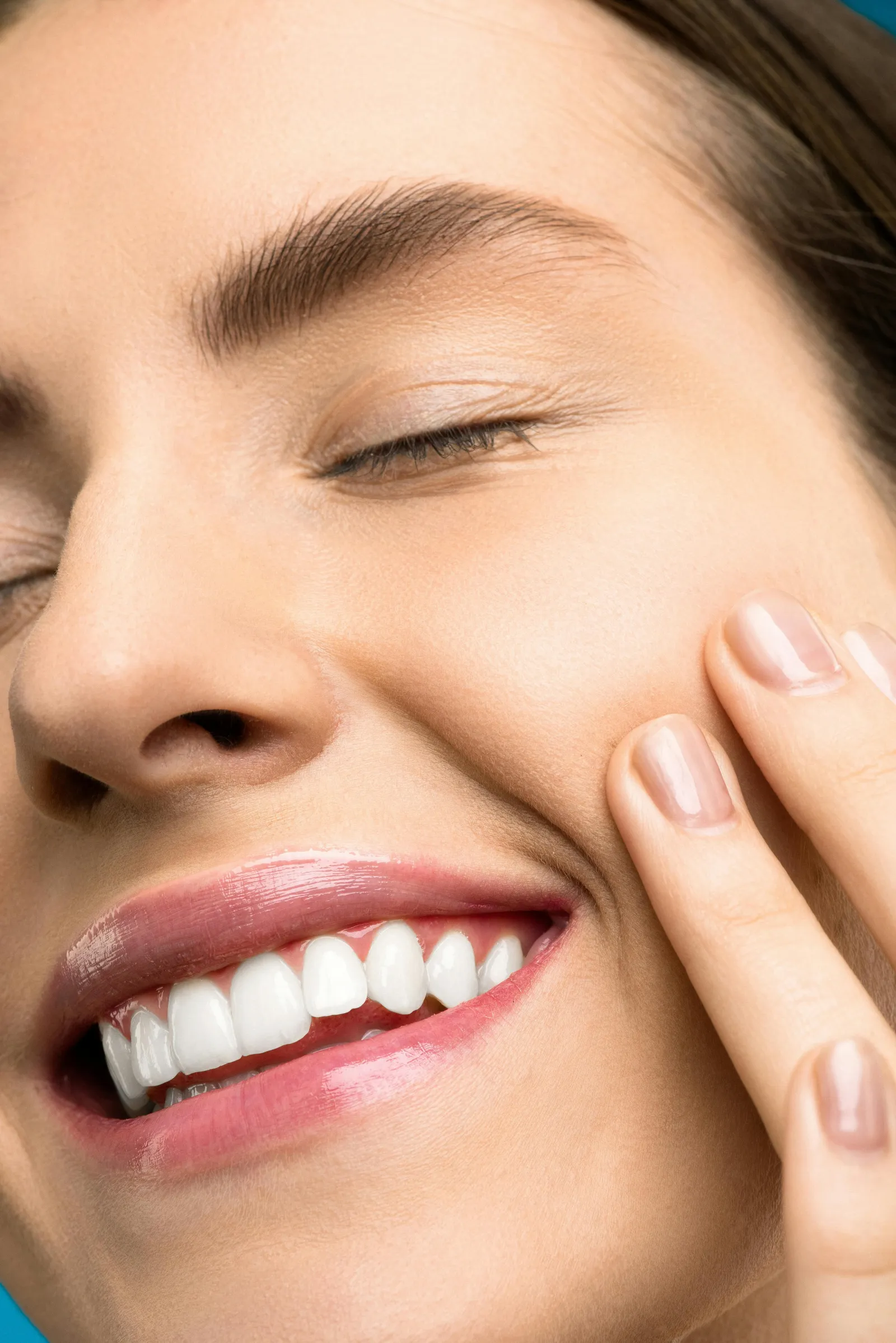
Tooth sensitivity is a short, sharp pain when your teeth meet hot, cold, sweet or acidic food and drinks. Short, sharp sensitivity can occur when dentine, the softer layer under the enamel, becomes exposed: the enamel wears thin, or receding gums uncover the root. It can also come from decay, a cracked tooth or a damaged filling, so it is worth finding out the cause.
Common reasons dentine becomes exposed include brushing too hard, gum disease, tooth grinding and acidic food and drinks. Teeth can also be sensitive for a while after dental treatment such as whitening.
What helps
Desensitising toothpaste may help exposed-dentine sensitivity, but will not fix decay, a cracked tooth or a damaged filling. Brush gently with a soft toothbrush. Limit frequent acidic drinks, rinse with water afterwards, and wait at least an hour before brushing. For ongoing sensitivity, a dentist may apply a fluoride or desensitising treatment, or cover exposed root surfaces with a tooth-coloured bonding material.
When to see a dentist
Arrange a dental assessment for new or persistent sensitivity, pain that lingers after hot or cold, or pain when biting. Contact your dentist if sensitivity after treatment continues or worsens.
Sources
- Sensitive teeth, Australian Dental Association
- Sensitive teeth, American Dental Association (MouthHealthy)
- Toothache and gum swelling, healthdirect Australia