Oral Cancer: Early Detection Saves Lives
Mouth sores, lumps and red or white patches that do not heal can be early signs of oral cancer. Know the risks and when to get checked.
By the DentistDSS team · Published · Updated

Oral (mouth) cancer can affect the lips, tongue, gums, cheeks, and the floor and roof of the mouth. Cancers of the tonsils and the back of the tongue, called oropharyngeal cancers, are closely related. The main risk factors are tobacco use and alcohol, and sun exposure for cancer of the lip. Human papillomavirus (HPV) is particularly linked to oropharyngeal cancers.
Possible signs include a mouth ulcer or sore that does not heal, a lump, or a red or white patch. Difficulty chewing, swallowing or speaking can also be a sign. These changes often have other causes, but need checking, and they do not have to hurt.
When to get checked
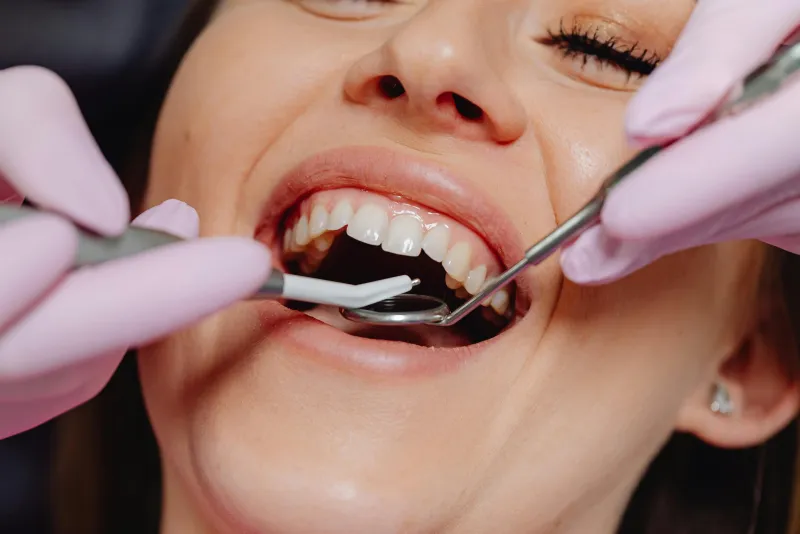
Book a dentist or GP appointment promptly for an unexplained mouth change, especially a sore, red or white patch, or lump that has not healed after two weeks. Do not wait for pain or for two weeks to pass if you are concerned. A biopsy may be needed to confirm cancer. A dental check-up includes a look at the whole mouth, which helps find changes early.
Lowering your risk
Mouth cancer is easier to treat when it is found early. You can lower your risk by not smoking, limiting alcohol, protecting your lips from the sun and keeping up good oral hygiene. HPV vaccination protects against the HPV types most linked to these cancers, although no single step guarantees prevention.
Sources
- Mouth cancer, Better Health Channel, Victorian Government
- Mouth cancer, healthdirect Australia
- Referral, Oral Cancer Learning Hub
- Head and neck cancers, National Cancer Institute (US)